Budgeting for the Thing That Goes Wrong: A Working Ledger for Creative Chaos
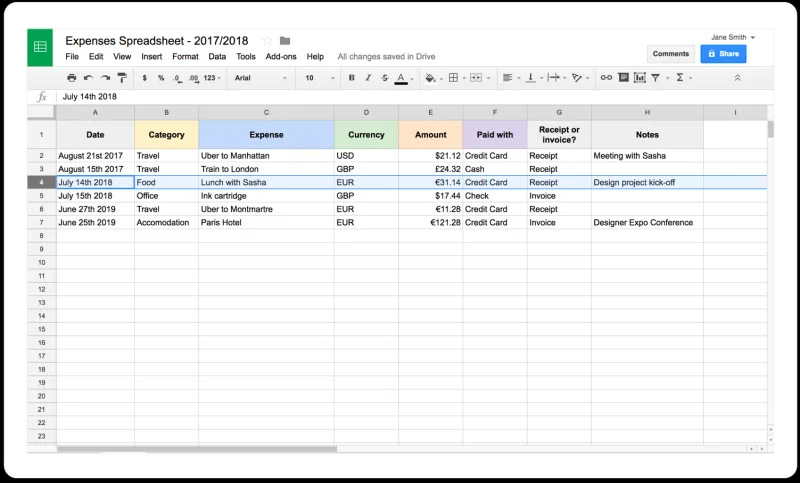
Photo: spreadsheet budget planning notebook calculator desk creative studio, via global-uploads.webflow.com
Every indie project opens with a clean spreadsheet and closes with a paragraph of small disasters. The budget was rarely wrong, exactly. It simply assumed the day would go the way the day was planned, which is a generous assumption to make about anything involving weather, gear, or other people.
What follows is not a lecture about saving more. It is a look at where unpredictable money actually hides, using a real four-day brand shoot from this year, plus a template you can copy and change without asking anyone's permission.
Good chaos and bad chaos
Start by splitting the word in half, because the two halves behave differently.
Good chaos is the unplanned thing that makes the work better. The location turns out to have a second room nobody scouted. The collaborator's offhand idea lands and needs one more setup. The take that was supposed to be a safety becomes the take. It costs money, and if you had seen the invoice in advance you would probably still have paid it.
Bad chaos is pure leakage. A permit nobody pulled. A drive with no second copy. A vendor who stops answering texts at 9am on a Tuesday. None of it improves the finished piece.
Both show up on the ledger. Only one of them is an investment. The practical test is simple: knowing the final price, would you buy that again? Good chaos passes. Bad chaos is a refund you never got.
A real 2026 ledger, unedited
The project: a four-day brand shoot for a regional retailer, six-person crew, Midwest, budgeted at $18,400. Here is what happened, line by line.
| Line item | Budgeted | Actual | Delta |
|---|---|---|---|
| Base budget | 18,400 | 18,400 | 0 |
| Contingency (10%) | 1,840 | 1,840 | 0 |
| Reschedule day (rain) | 900 | 1,650 | +750 |
| Replacement gear rental | 400 | 980 | +580 |
| Crew overtime | 600 | 1,240 | +640 |
| Decision tax (producer hours, never billed) | 0 | 1,400 | +1,400 |
| Rush shipping and one pickup setup | 0 | 720 | +720 |
| Travel changes | 250 | 610 | +360 |
| Deliberate extra take (good chaos) | 0 | 900 | +900 |
| Net overrun after contingency | — | — | +3,510 (19%) |
The 10 percent contingency swallowed a third of the damage and then stopped. The number worth staring at is the decision tax: twenty-eight producer hours spent renegotiating, rescheduling, and apologizing, none of it recoverable and all of it real. Most budgets do not have a row for it, which is why it feels like a personal failure every time it appears.
The three-column method
Every line in the ledger gets three numbers instead of one. Estimate is what you think it will cost. Chaos allowance is the amount you are pre-authorizing for that line to misbehave. Ceiling is the number where you stop and call somebody.
A single estimate invites an argument every time reality disagrees with it. Three columns make the disagreement part of the plan, and they give whoever is running the day permission to spend inside the allowance without a group text.
Sizing the allowance by project type
- Music video, one or two days: 12 to 18 percent
- Brand or product shoot, three to five days: 15 to 20 percent
- Short film, ensemble cast: 20 to 25 percent
- Live event or one-take anything: 25 to 30 percent
These bands are not science. They are the result of watching enough small productions to know that a one-day shoot with eleven setups and no backup plan behaves nothing like a five-day shoot with a producer on site.
The tabs your spreadsheet actually needs
Ledger. The three-column version of the budget, with a running total that updates when a delta is added, not when the invoice arrives.
Chaos log. Date, what happened, good or bad, cost, who decided, and would you buy it again. This tab is worth more than the budget itself after two projects, because it turns a vague feeling that shoots always run long into a specific list of ways they run long.
Decision tax tracker. Hours multiplied by the rate you would charge a client. Track it even when nobody pays it. It is the only honest way to see whether a project was profitable.
Ceiling sheet. One page, printed, with the four numbers that trigger a phone call instead of a purchase.
What to cut when the allowance runs out
Protect the deliverable first. Then cut scope, never crew rates, because rates are the part of your reputation that follows you to the next job. Kill the vanity setup, the second camera angle nobody will use, and the drone shot that requires a permit you do not have. And if the allowance runs out before day two, that is a signal to renegotiate the deliverable, not to absorb the difference quietly.
The copyable template
Line item | Estimate | Chaos allowance | Ceiling | Actual | Good/Bad
Contingency (10-20%) | | | | |
Weather / reschedule | | | | |
Gear loss or rental bump | | | | |
Overtime | | | | |
Decision tax (hours x rate) | | | | |
Rush fees and shipping | | | | |
Travel changes | | | | |
Deliberate extra take | | | | |
TOTAL | | | | |
The sanity clause
Two lines belong in every contract and every deal memo. First, a change-order threshold: any addition over a set dollar amount requires written approval before work starts. Second, a chaos review scheduled 48 hours after wrap, when everyone is tired enough to be honest and close enough to remember what actually happened.
Neither line makes the unpredictable parts go away. They just stop the unpredictable parts from becoming a story you tell at a bar two years later about the project that cost you money and a month of sleep.