Six Backstage Habits That Make a Chaotic Shoot Look Weirdly Intentional
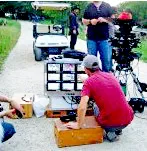
Photo: Civil War Attraction, CC BY-SA 4.0, via Wikimedia Commons
There is a specific kind of optimism that shows up on every set around hour three: the belief that a missing prop, a dead battery, and a confused extra will all somehow become 'texture.' Sometimes they do. Usually they become a group chat full of apologies and a folder named FINAL_FINAL_v7.
At Aro Herman, we have learned that creative chaos is not automatically watchable. The difference between a shoot that feels electric and one that just feels cursed is rarely budget or luck. It is a handful of boring habits applied with enough commitment that the mess starts looking intentional. Here are six that have saved us more than once.
1. Protect the first hour like it is the last slice of pizza
The first hour of a shoot sets the tone for everything after it. If it starts with nine people asking questions while one person tries to light a scene, the whole day becomes a negotiation. Protect that hour. Put the first setup on the call sheet and nothing else. No email, no 'quick look at this,' no debate about whether the lead should wear the jacket from scene four.
For US creators working with tiny crews, this is the cheapest upgrade available. Decide the night before what the first shot is, who needs to be in it, and what has to be true before anyone touches the camera. A calm first hour does not guarantee a good shoot, but a chaotic one almost guarantees a long day.
2. Give the chaos a name badge
Every shoot needs one person whose job is to translate between the creative brain and the clock. On small productions, that person is usually the producer, the first AD, or whoever is holding the binder. Give them permission to interrupt. Their job is not to kill the vibe. It is to notice that lunch is late, a release form is missing, or the actor has been standing in the cold for forty minutes.
On Aro Herman shoots, we call this the chaos wrangler. It sounds like a joke until the wrangler quietly moves a scene, finds a backup battery, and stops a small problem from becoming a story everyone tells for years. If you are running a set, name the role out loud. People respect a job title more than a vague request to 'keep an eye on things.'
3. Define 'done' before anyone touches the camera
Creative people love the idea of discovering the shot on the day. That can work. It can also turn a four-hour block into a hostage situation. Before the camera rolls, make a short list of what makes the scene watchable: the emotional beat, the one line that has to land, the piece of action the edit cannot live without. Then separate the must-haves from the nice-to-haves.
This is not about lowering ambition. It is about giving the crew a finish line. If the must-haves are covered, you can play. If they are not, you do not have a happy accident. You have a gap. US audiences can smell a scene that was assembled out of desperation, even if they cannot name it. A clear definition of done is how you keep the desperation out of the final cut.
4. Keep a happy-accident log with a warning label
Happy accidents are real. A reflection lands in the perfect spot. A background actor does something weird and human. A line gets fumbled into something better. Write these down. Note what happened, whether it can be repeated, and whether it broke anything else. The log becomes a map of your own instincts.
But here is the warning label: not every accident is happy. If the same 'happy accident' keeps happening around safety, money, consent, or time, it is not magic. It is a pattern. The funniest behind-the-scenes story in the world is not worth a twisted ankle or a ruined relationship. The log helps you tell the difference between a gift and a warning sign.
5. Build a reset ritual, not a rescue mission
When a shoot goes sideways, the instinct is to sprint. Sometimes that works. More often, it makes the next hour worse. Build a ten-minute reset ritual into the day. Clear the set. Restock the water. Re-read the next scene out loud. Let one person make a bad joke. Then start again.
A reset is not a break for the sake of a break. It is a way to stop the panic from becoming the plan. On Aro Herman shoots, the reset ritual is usually coffee, a sticky note with the next three shots, and someone saying, 'Okay, we are not dying, we are just behind.' That sentence has saved more footage than any fancy lens.
6. End with a handoff, not a group therapy session
Wrap is not the time for a full postmortem. Everyone is tired, hungry, and emotionally unreliable. Do the handoff: back up the footage, collect notes, confirm the next call time, thank people by name, and get out. Save the real conversation for a separate postmortem when nobody is holding a sandbag.
The handoff is also where you protect the next shoot. Write down what worked, what nearly broke, and what you would do differently. That is the behind-the-scenes material that actually helps. It also makes for better stories later, because you are not trying to remember the details through a haze of wrap-day pizza.
Chaos is not a brand. Watchable is. The mess can be part of the fun, but only when someone is quietly turning it into a shape. Protect the first hour, name the wrangler, define done, log the accidents, build the reset, and end with a clean handoff. That is not glamorous. It is just the backstage playbook that makes the glamorous stuff possible.